
Real-World Benefits of Universal Testing Machines in Construction
Universal testing machines play a pivotal role in the construction industry by ensuring the structural integrity and quality of materials used in various projects.
From evaluating material strength to enhancing safety measures, these machines offer tangible benefits such as improved structural reliability, streamlined quality control universal testing machine, and cost savings through precise testing methods.
Understanding the real-world advantages of universal testing machines is essential for optimizing project outcomes and achieving higher levels of efficiency in construction processes.
Improved Material Strength Evaluation
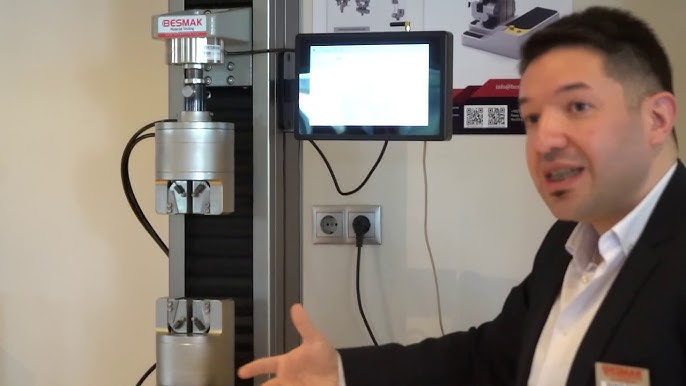
The article explores the enhanced precision and reliability of material strength evaluation facilitated by universal testing machines in construction projects. These machines offer a level of accuracy that allows engineers and builders to make informed decisions based on concrete data rather than assumptions.
By subjecting construction materials to rigorous testing procedures, universal testing machines provide crucial insights into their durability and load-bearing capacities. This enhanced evaluation process ensures that only materials meeting the highest standards are used in construction projects, ultimately leading to safer and more resilient structures.
With the use of universal testing machines, the construction industry can uphold stringent quality control measures, giving stakeholders the freedom to trust in the strength and longevity of their built environments.
Enhanced Structural Safety Assurance
Enhanced structural safety assurance in construction is achieved through the rigorous testing procedures conducted with universal testing machines. These machines play a pivotal role in ensuring the integrity and reliability of construction projects by subjecting materials and components to various stress tests.
By accurately measuring key properties such as tensile strength, compressive strength, and elasticity, universal testing machines provide valuable data that engineers use to assess the structural performance of buildings and infrastructure. This meticulous testing process helps identify potential weaknesses in materials or design, allowing for preemptive measures to be taken to enhance overall safety.
Ultimately, the use of universal testing machines contributes significantly to the prevention of structural failures, providing freedom from uncertainty regarding the safety of construction projects.
Streamlined Quality Control Processes
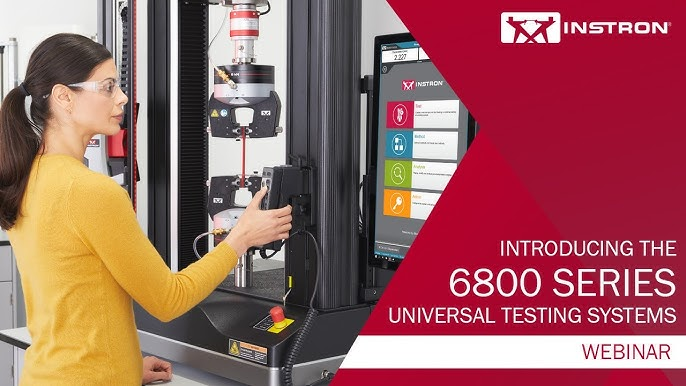
Implementing universal testing machines in construction facilitates the streamlining of quality control processes, ensuring precise evaluation of materials and components for adherence to stringent standards. By integrating these machines into quality control procedures, construction companies can efficiently test the strength, durability, and other essential properties of materials used in their projects.
This streamlined approach not only saves time but also enhances the overall quality of construction outcomes. With universal testing machines, construction teams can quickly identify any substandard materials or components, allowing for timely replacements and adjustments to maintain the highest standards of quality.
This proactive approach to quality control ultimately leads to cost savings by preventing rework, delays, and potential safety hazards, providing freedom from the uncertainties associated with inferior materials
.
Increased Project Efficiency
By utilizing universal testing machines in construction, project efficiency is significantly enhanced through streamlined quality control processes and precise evaluation of materials and components for adherence to stringent standards. These machines allow for quick and accurate testing of various construction materials, ensuring that only top-quality materials are used in projects.
Through the data provided by these machines, construction teams can make informed decisions promptly, preventing delays and rework due to faulty materials. Additionally, the ability to conduct on-site testing with universal testing machines reduces the need for outsourcing, saving both time and resources.
Cost Savings Through Precise Testing
The use of universal testing machines in construction leads to significant cost savings through precise evaluation of materials and components for adherence to stringent standards. By accurately testing the strength, durability, and other crucial properties of construction materials, these machines help ensure that only materials meeting the required standards are used, preventing costly rework or failures due to subpar materials.
This precision allows construction companies to optimize material usage, reduce waste, and avoid expensive repairs or replacements down the line. Additionally, the ability to identify potential weaknesses early on through precise testing enables proactive measures to be taken, preventing costly issues during the construction process.
Ultimately, the cost savings achieved through the precise testing capabilities of universal testing machines contribute to more efficient and economical construction projects.
Conclusion
In conclusion, universal testing machines play a crucial role in the construction industry. They improve material strength evaluation, enhance structural safety assurance, streamline quality control processes, increase project efficiency, and generate cost savings through precise testing.
These machines are essential tools that help ensure the quality and safety of construction projects. Ultimately, they lead to more reliable and sustainable infrastructure.