
Automation System
In the realm of modern industry, automation systems stand as the backbone of operational efficiency and innovation. With the ability to transform traditional workflows through advanced technologies and data-driven insights, automation offers a glimpse into a future where processes are optimized, errors are minimized, and productivity soars to unprecedented levels sap business one in malaysia. The integration of automation systems not only revolutionizes the way businesses operate but also presents a fundamental shift in how industries approach challenges and opportunities. As we navigate the intricate landscape of automation technology, the complexities and possibilities that lie ahead are both intriguing and transformative, shaping the future of work and productivity in ways yet to be fully grasped.

Importance of Automation Systems
Automation systems play a pivotal role in modern industries by streamlining processes, increasing efficiency, and reducing human error. By automating repetitive tasks, these systems allow companies to reallocate human resources to more strategic and creative endeavors, thus fostering innovation and growth. Through the use of sensors, actuators, and control systems, automation technology can monitor and adjust processes in real-time, ensuring optimal performance and productivity.
One key benefit of automation systems is the ability to operate continuously without fatigue or breaks, leading to consistent output and minimal downtime. Additionally, these systems can handle complex calculations and data analysis at a speed and accuracy far surpassing human capabilities. This not only accelerates decision-making processes but also enhances the overall quality of products and services. Moreover, automation technology enables remote monitoring and control, providing freedom to oversee operations from anywhere in the world.
Key Features of Automation Technology
Indubitably, a fundamental aspect of automation technology lies in its capacity to streamline operations through the integration of advanced control mechanisms and data processing algorithms. Key features of automation technology include real-time monitoring, which allows for instant data collection and analysis to enhance decision-making processes. Automation systems often incorporate machine learning algorithms, enabling them to adapt and improve efficiency over time. Another crucial feature is the ability to automate repetitive tasks, reducing the need for manual intervention and minimizing human error.
Moreover, automation technology offers seamless integration with existing systems, facilitating a smooth transition and compatibility with various software and hardware components. Scalability is also a notable feature, allowing systems to expand or contract based on operational requirements without significant disruptions. Additionally, remote accessibility enables monitoring and control of processes from anywhere, enhancing flexibility and productivity. Overall, the key features of automation technology work together to optimize operations, increase productivity, and drive innovation across industries.
Industries Benefiting From Automation
Various industries, such as manufacturing, healthcare, and transportation, are reaping the benefits of automation technology.
Automation systems have significantly improved operational efficiency by streamlining processes, reducing errors, and enhancing productivity.
The impact of automation in these key industries is reshaping how businesses operate and setting new standards for performance and reliability.
Key Automation Industries
Among the industries benefiting significantly from automation are those that rely heavily on repetitive tasks and precise processes to streamline operations and improve efficiency. Manufacturing industries, such as automotive and electronics, have embraced automation to enhance production speed and quality control.
The healthcare sector utilizes automation for tasks like patient monitoring and medication dispensing, leading to improved patient care and reduced human errors. Logistics and transportation industries automate processes like inventory management and route optimization to increase operational efficiency and reduce costs.
Additionally, the banking and finance sector leverages automation for tasks like transaction processing and fraud detection, enhancing security and operational speed. These key industries demonstrate how automation can revolutionize operations, driving productivity and success.
Impact on Efficiency
Automation has significantly enhanced operational efficiency across various industries, revolutionizing processes and driving productivity to new heights. Industries such as manufacturing, logistics, and healthcare have seen substantial benefits from automation systems.
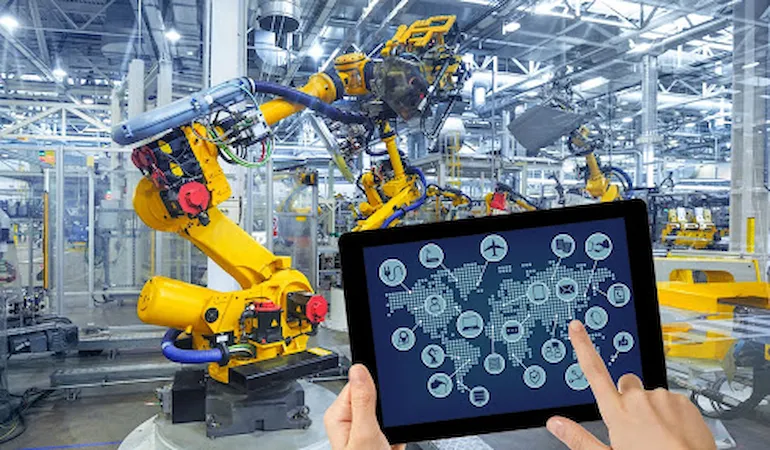
In manufacturing, robotic automation has streamlined production lines, reducing errors and increasing output. Logistics companies have optimized their supply chain management with automated systems, leading to faster deliveries and cost savings. In the healthcare sector, automation has improved patient care through precise data analysis and streamlined administrative tasks.
Advantages of Implementing Automation Systems
Implementing automation systems in a workplace environment can significantly enhance operational efficiency and productivity. Automation streamlines repetitive tasks, reducing the potential for human error and increasing output accuracy. By automating routine processes, employees can focus on more strategic and creative tasks that add greater value to the organization.
Moreover, automation systems operate 24/7 without the need for breaks, resulting in continuous production and service delivery. This non-stop operation leads to faster turnaround times, meeting customer demands promptly and maintaining high satisfaction levels.
Automation also provides valuable data insights through analytics, enabling businesses to make informed decisions based on real-time information. This data-driven approach enhances forecasting accuracy, inventory management, and overall business performance.
Additionally, automation systems contribute to cost reduction by minimizing labor expenses, optimizing resource allocation, and decreasing the likelihood of costly errors. Overall, the implementation of automation systems offers a competitive edge in today’s fast-paced business landscape, driving efficiency, productivity, and profitability.
Challenges Faced in Adopting Automation
Adopting automation poses challenges in terms of integration with existing systems, training employees to use new technologies, and ensuring data security throughout the process.
Despite these obstacles, the benefits of automation such as increased efficiency, reduced human error, and improved productivity make it a worthwhile endeavor for many businesses.
Balancing the challenges with the potential rewards is crucial for successful implementation of automation systems.
Challenges in Implementation
Navigating the intricate landscape of integrating automated systems into existing infrastructure poses a myriad of challenges for organizations looking to streamline their processes. One significant challenge is the initial investment required for acquiring and implementing automation technology. This cost can be prohibitive for some organizations, especially smaller ones with limited budgets.
Additionally, integrating automation systems with legacy infrastructure can present compatibility issues that need to be carefully addressed to ensure smooth operation. Another common challenge is the resistance to change from employees who may fear job displacement or lack the necessary skills to operate the new systems efficiently.
Addressing these challenges through proper planning, training, and change management strategies is crucial for successful automation implementation.
Benefits of Automation
The integration of automation systems into operational frameworks presents organizations with a transformative opportunity to enhance efficiency and productivity, albeit with challenges that require strategic navigation and resolution. One of the key benefits of automation is the significant reduction in human errors, leading to higher accuracy and quality of work.
Automation also enables tasks to be completed at a much faster pace, resulting in quicker turnaround times and increased output levels. Furthermore, automation systems can operate around the clock, enhancing overall operational efficiency. Cost savings through reduced labor expenses and minimized waste are additional advantages of adopting automation.
Ultimately, the implementation of automation can lead to a competitive edge in the market by streamlining processes and optimizing resources.
Future Trends in Automation Technology
What novel advancements are shaping the future landscape of automation technology?
The future of automation technology is being influenced by several key trends. One major trend is the integration of artificial intelligence (AI) and machine learning algorithms into automation systems. These technologies allow systems to learn from data, adapt to new situations, and make decisions with minimal human intervention.
Another trend is the increased use of Internet of Things (IoT) devices in automation, enabling interconnectedness and data exchange between devices to optimize processes further. Additionally, advancements in robotics are enhancing automation capabilities, with robots becoming more agile, versatile, and collaborative with humans.
Moreover, cybersecurity is a critical focus for future automation technologies, as interconnected systems become more vulnerable to cyber threats. Implementing robust security measures will be crucial to safeguard automated systems against potential risks.
Furthermore, the trend towards cloud-based automation solutions offers scalability, flexibility, and accessibility to users across various industries.
Conclusion
In conclusion, automation systems play a critical role in enhancing operational efficiency, driving productivity, and reshaping industries. By leveraging real-time monitoring and machine learning algorithms, these systems streamline processes and reduce human error.
Despite challenges in adopting automation, the benefits for businesses in manufacturing, healthcare, and transportation are substantial.
As automation technology continues to evolve, it will undoubtedly revolutionize how businesses operate and set new standards for performance in the future.